Increasing biomethane production from plant material
Recovering more energy from plant material is a constant challenge in biogas research. A recent study from Sandia National Laboratories shows how a chemical post-treatment applied after digestion can release additional biomethane from otherwise resistant material.

Optimising the anaerobic digestion process
Biogas and biomethane are produced through anaerobic digestion (AD). Along with these valuable outputs, the process leaves behind digestate, a nutrient-rich by-product often used as fertiliser. Both biomethane yield and digestate quality depend on the type and condition of the feedstock, making optimisation important for efficiency and economic return.
There are many ways to optimise AD, including additives and pre-treatments. For some substrates, these steps are critical to achieving good results. Plant-based biomass, such as lignocellulosic material, is particularly resistant to digestion. Its complex polymer structure is difficult for microbes to break down during key stages of the process.

Testing a new post-treatment method
Researchers at Sandia tested post-treatment methods aimed at increasing biomethane production from these challenging plant materials. Using lignin from poplar wood as a model substrate, they applied a chelator mediated Fenton reaction, a well-known chemistry approach adapted for this purpose, to treat the digestate after AD had taken place. This post-digestion application sets it apart from more conventional methods.
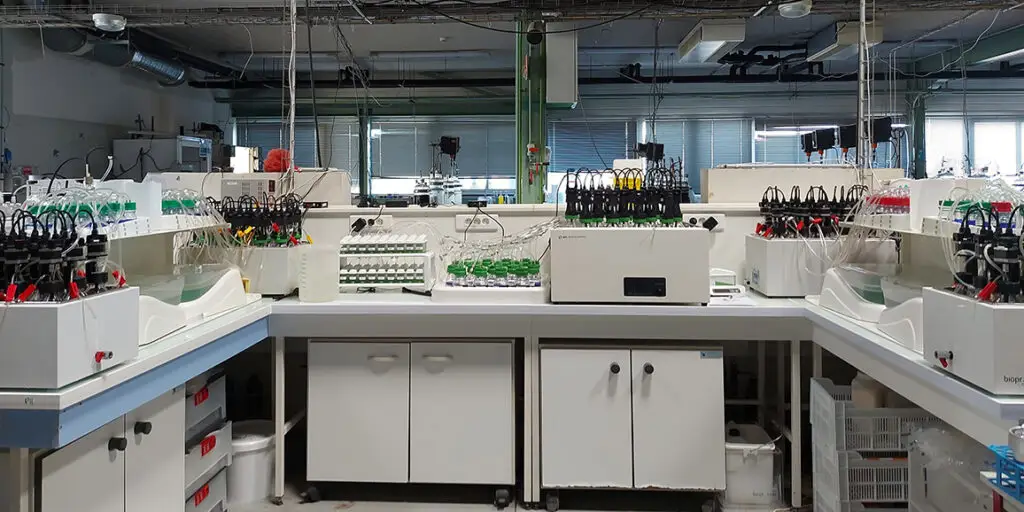
To evaluate the effect of the treatment on biomethane yield, biomethane potential (BMP) tests were conducted with BPC Instruments’ Gas Endeavour III system (GE III). The GE III enabled parallel BMP tests under different conditions, including variations in pH, hydrogen peroxide concentration and inoculum.
The results showed that this modified post-treatment could significantly improve biomethane yields from lignocellulosic residues. The GE III played a central role in generating the data that supported these findings.

Read the paper in full in Biotechnology for Biofuels and Bioproducts here: Chelator-mediated Fenton post-treatment enhances methane yield from lignocellulosic residues via microbial community modulation.

Biogas and Biomethane
Learn more about our work in biogas and biomethane
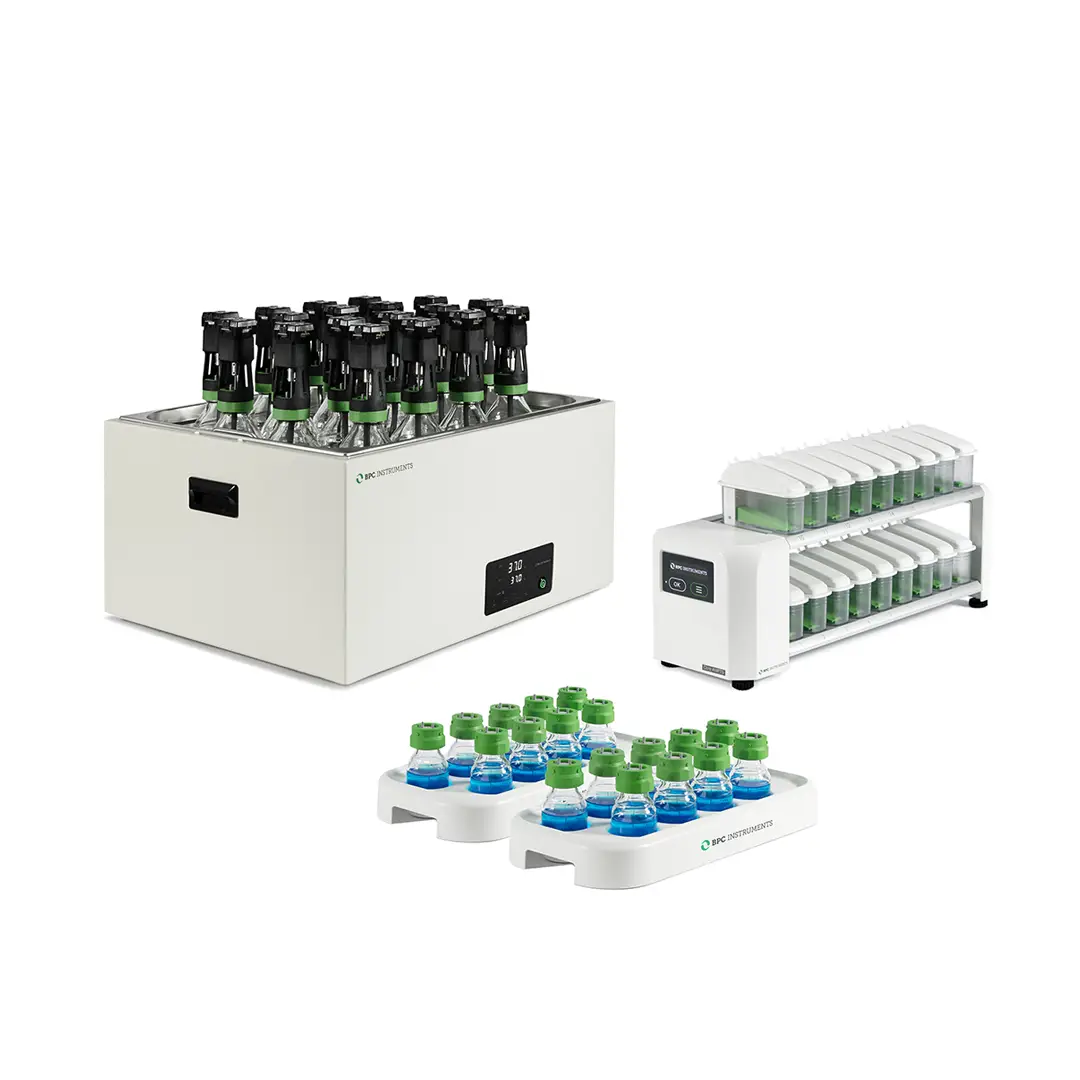
AMPTS® III
Analytical tool for biogas and biomethane analysis

Talk to an Expert
Contact us to book a meeting with one of our expert team to discuss your anaysis needs.
"*" indicates required fields