Animal & Human Nutrition
Automated in vitro gas production analysis for feed, food and gut fermentation research. Gas Endeavour® III helps laboratories monitor fermentation gases from ruminant, monogastric and human digestion models with less manual work and structured kinetic data.
- In vitro gas production
- Rumen and hindgut models
- Fermentation gas data
Trusted by laboratories, research institutes and industrial customers worldwide.









Follow fermentation after digestion begins
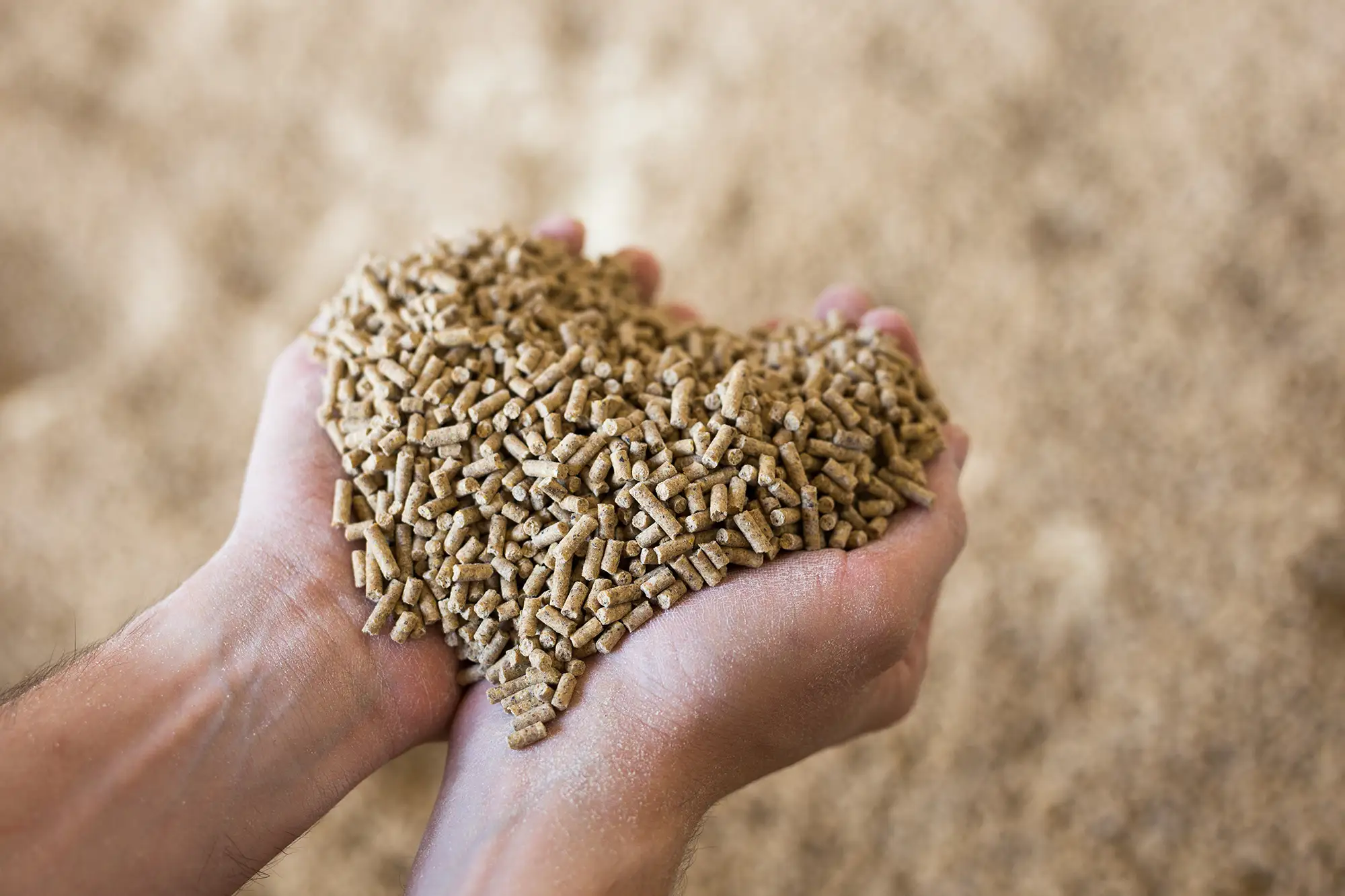
Feed and food quality depends on how materials behave during digestion and fermentation. In vitro methods help laboratories study digestibility, fermentation kinetics and gas production under controlled conditions, without relying only on in vivo trials.
Gas Endeavour® III is designed for automated monitoring of low gas volume and flow in batch fermentation studies. It is used in animal nutrition, feed development and human gut fermentation research to compare samples, evaluate feed additives and follow gas production over time.
From feed quality to fermentation behaviour

Ruminant feed fermentation
Study rumen fermentation and organic matter degradation using in vitro gas production assays for feedstuffs, forages and additives.

Monogastric hindgut fermentation
Evaluate fermentation behaviour in monogastric models, including differences between feed materials, animal groups or enzymatic treatments.

Human gut fermentation
Use human faecal fermentation models to study dietary fibres, substrates and fermentation behaviour in the lower gastrointestinal tract.

Methane and gas kinetics
Monitor fermentation gases such as methane, carbon dioxide and hydrogen to follow gas production kinetics throughout the test period.
In vitro gas production with Gas Endeavour® III
In vitro gas production techniques use the gas formed during microbial fermentation as a key measurement. This allows laboratories to study the degradation and fermentation behaviour of feed, food or fibre samples under controlled conditions.
Gas Endeavour® III automates the measurement of fermentation gas during batch assays. The system helps laboratories run several samples in parallel, follow gas production continuously and reduce manual handling compared with conventional methods.
Ruminant nutrition


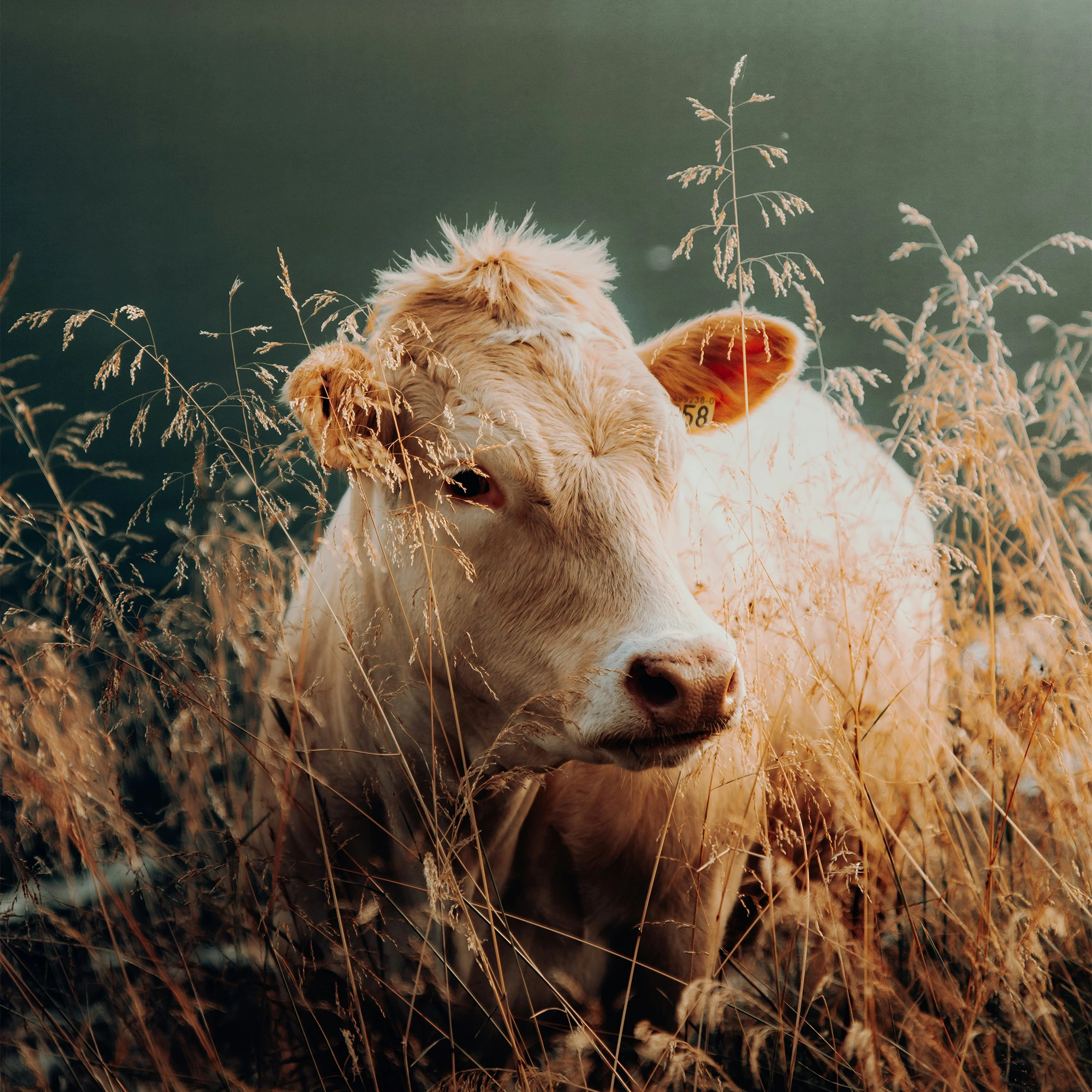
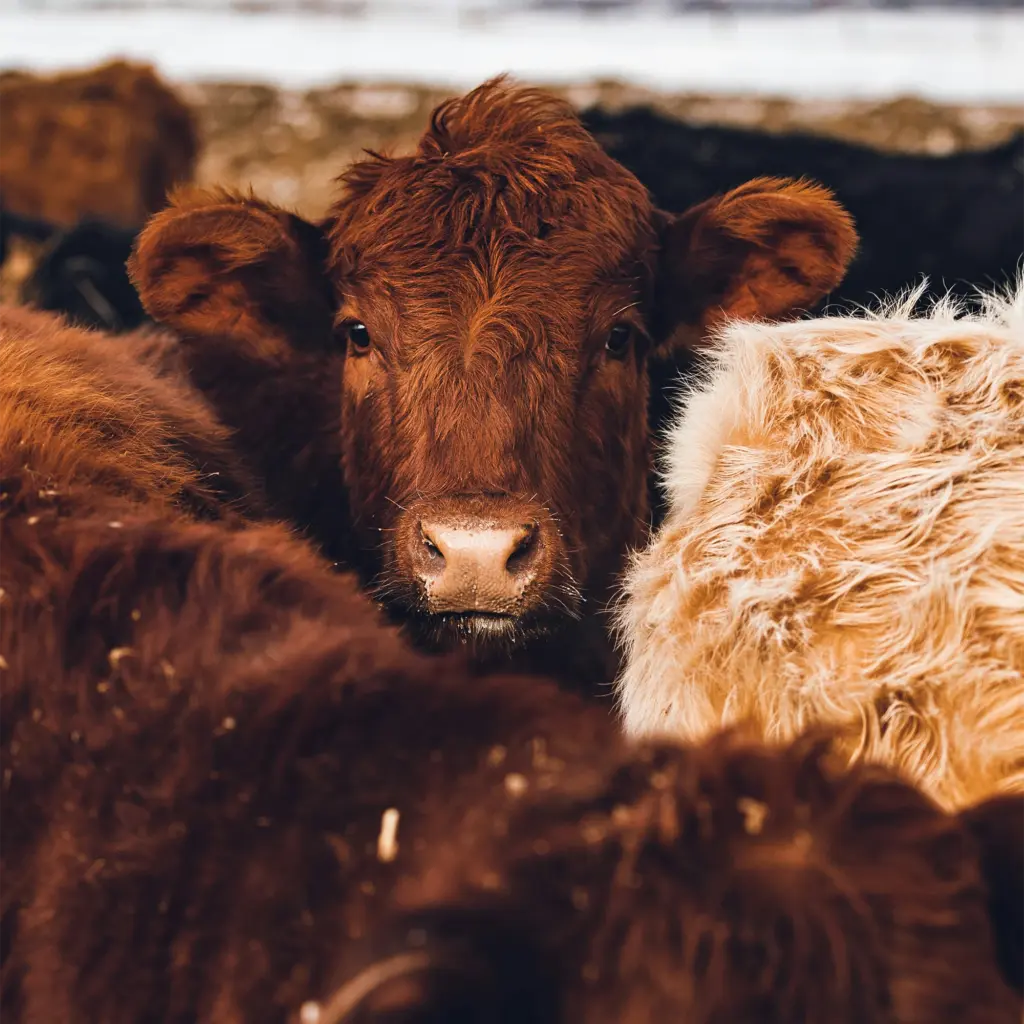
Gas Endeavour® III can be used for in vitro rumen fermentation assays to study digestibility, organic matter degradation and fermentation kinetics. Typical applications include feedstuff evaluation, diet formulation, feed additive screening and studies of anti methanogenic or anti nutritive components.
Monogastric animal nutrition
For monogastric animals, the system can be used in hindgut fermentation models where microbial degradation and gas production are followed over time. This is relevant for comparing feed materials, assessing fibre fermentation and studying the effect of treatments such as enzymes.
Human nutrition research
Gas Endeavour® III can be used in lower gastrointestinal fermentation models with human faecal cultures. These workflows are relevant for studying dietary fibres, prebiotic substrates and fermentation behaviour linked to gut microbiota research.
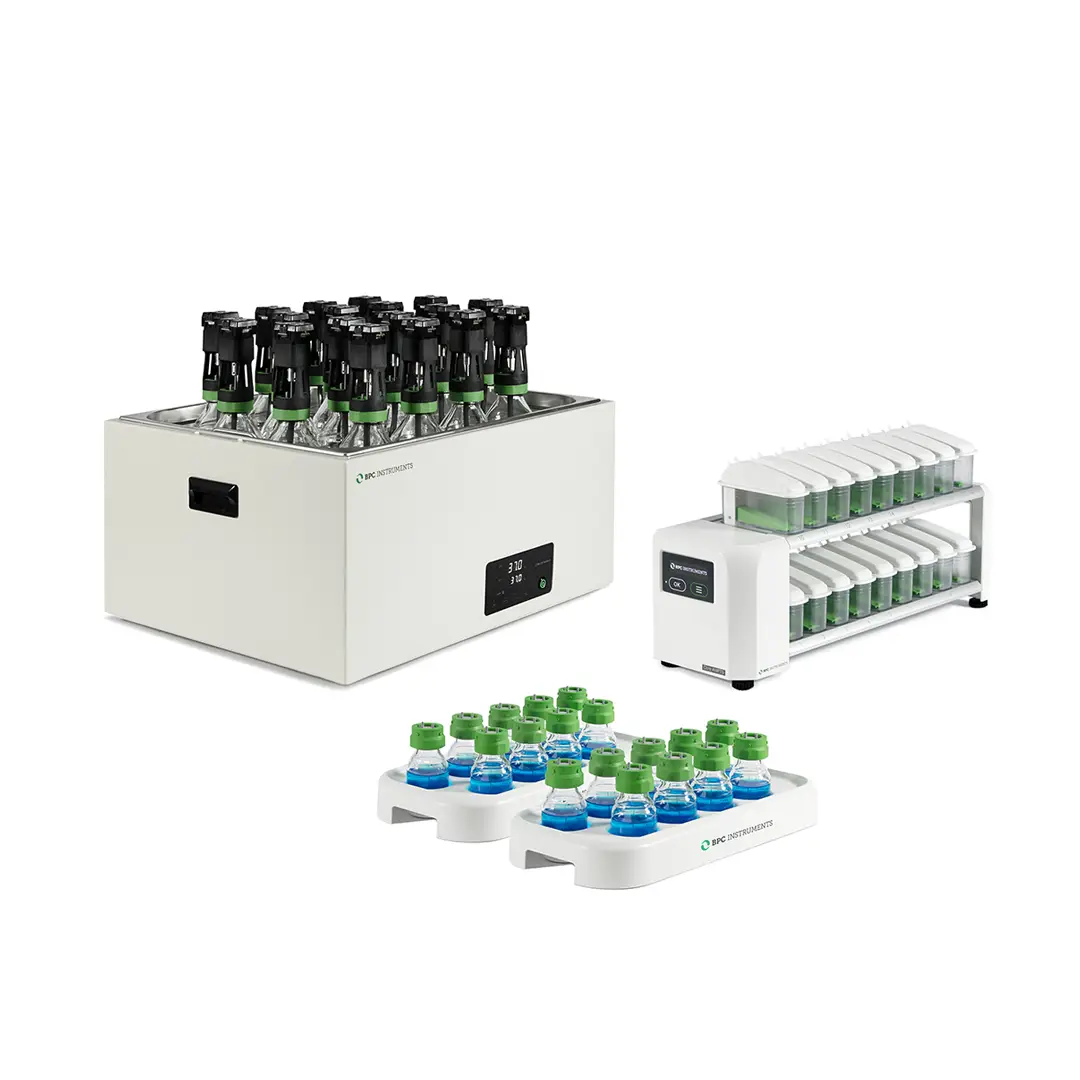
Gas Endeavour® III
Gas Endeavour® III is an automated laboratory platform for precise low gas volume and flow measurement in batch and continuous processes. For animal and human nutrition applications, it is used to monitor fermentation gases released during in vitro digestion and fermentation assays.
The system is available with 18 or 9 parallel channels, allowing several samples and replicates to be analysed in the same experiment. The Animal Nutrition configuration uses 250 ml glass reactors in a shaking thermostatic water bath, with temperature control up to 99 °C.
By combining automated gas measurement, temperature control and structured data handling, Gas Endeavour® III helps laboratories follow fermentation kinetics with less manual reading and more consistent data output.
Why laboratories use Gas Endeavour® III

Automated gas measurement
Reduce manual gas readings and follow fermentation gas production throughout the experiment on a web interface.

Parallel testing
Run multiple samples, controls and replicates using 18 or 9 channels depending on the system configuration.

Kinetic data over time
Study the rate and level of fermentation rather than relying only on endpoint values.

Remote access and data export
Set up, monitor and export experiment data through the web based interface without installing software on an external computer.
Common questions about in vitro gas production analysis
What is in vitro gas production analysis?
In vitro gas production analysis measures gas released during microbial fermentation in a controlled laboratory model. In animal and human nutrition research, it is used to study digestibility, fermentation kinetics and how different feed or food substrates behave during digestion.
How is Gas Endeavour® III used in animal nutrition research?
Gas Endeavour® III is used to monitor fermentation gas from in vitro digestion models. It can be applied in ruminant feed evaluation, monogastric hindgut fermentation studies and human gut fermentation models.
Which gases can Gas Endeavour® III measure?
Gas Endeavour® III can measure non aggressive gases such as methane, carbon dioxide, hydrogen and nitrogen, depending on the experimental setup and configuration.
Can Gas Endeavour® III be used for methane reduction studies?
Yes. Gas Endeavour® III can be used in rumen fermentation studies where methane production is monitored over time. This makes it relevant for evaluating feed additives, substrates or components with potential anti methanogenic effects.
Can Gas Endeavour® III be used for human gut fermentation studies?
Yes. Gas Endeavour® III can be used in batch human faecal fermentation models to study gas production and fermentation behaviour from dietary fibres, substrates or other food related materials.
How many samples can be analysed in parallel?
Gas Endeavour® III is available in 18 channel and 9 channel versions. This allows laboratories to run several samples, controls and replicates in parallel.
Which Gas Endeavour® III configuration is used for animal nutrition?
The Animal Nutrition configuration is designed for in vitro digestion and fermentation studies. It uses 250 ml glass reactors and a shaking thermostatic water bath for controlled incubation.
Related news

Related scientific references
-

Impact of CO₂ flushing and headspace volume on gas and methane kinetics in two in vitro Rumen systems: A comparative study of AnkomRF and gas endeavour
Iqbal et al.,Animal Feed Science and Technology (2026)
Animal feed and nutritionJournal article2026 -
Effect of Distillery Spent Wash Utilization on Maize Silage Fermentation and In Vitro Methane Production
Tang, Y.; Lu, G.; Zhao, H.; Li, L.; Liao, C.; Wang, P.; Zhang, Y.; Zhang, M.; Li, P.; Gou, W. Animals 2025, 15, 3146
Animal feed and nutritionJournal article2025 -
Gas Endeavour Device for the Real-Time in Vitro Measurement of Carbon Dioxide and Methane Emissions Associated with Sheep Diets with Prickly Pear By-Products
R. Gannuscio, G. Maniaci and M. Todaro,Fermentation (2025), 11, 543
Animal feed and nutritionJournal article2025 -
Yellow serofluid-inclusion enhanced anaerobic preservation of whole plant maize for subsequently reducing potential methane emission during in vitro ruminal fermentation
Lu, G., Li, L., Huang, X., Hou, P., Tang, X., Liao, C., Cheng, C., Zhang, M., Chen, C., Li, P.BMC Microbiology 25, 399 (2025)
Animal feed and nutritionJournal article2025

Contact our experts
Have a question about our instruments, applications, or an ongoing project?
Send us a message using the form and include a few details, such as your organisation and country, so we can route your enquiry efficiently. We’ll get back to you as soon as we can.
For urgent matters, please call us on +46 (0) 46 16 39 50.
"*" indicates required fields